This market will resolve to “Yes” if IMF Portwatch publishes a 7-day moving average of transit calls (“Arrivals of Ships”) for the Strait of Hormuz equal to or above 60 for any date between market creation and June 15, 2026. Otherwise, this market will resolve to “No”.
Daily transit calls include container, dry bulk, roll-on/roll-off, general cargo, and tanker ships. Ships not reported by IMF Portwatch will not be considered.
This market will resolve as soon as IMF Portwatch publishes a 7-day moving average of transit calls equal to or above the specified level, or once data has been published for the final date in the specified period and no such value has been published. If no data has been published for the final date of the specified period within 14 calendar days (ET) after the end of that period, this market will resolve based on data published up to that point.
Revisions to previously published data points made within this market’s timeframe will be considered. However, they will not disqualify a previously published data point from qualifying. Revisions to previously published data points after data is published for June 15, 2026, however, will not be considered.
In case of obvious data integrity issues (i.e., erroneous data), the market may remain open until the end of the third calendar day (ET) after the date on which such data is first released to allow for corrections. Data integrity issues refer only to clerical or other similar errors in the underlying data, and do not include cases where IMF Portwatch differs from alternative sources.
The resolution source for this market will be IMF Portwatch, specifically the transit calls data published for the Strait of Hormuz at https://portwatch.imf.org/pages/cb5856222a5b4105adc6ee7e880a1730, both in the chart and through downloadable files.
What the Market Asks
This prediction market centers on whether maritime traffic volumes through the Strait of Hormuz will return to normal conditions by June 15. Normal is defined relative to established baseline levels observed prior to any recent disruptions. Traders assess the likelihood that shipping lanes will operate without significant restrictions or reductions in vessel movements by that date.
Background and Significance
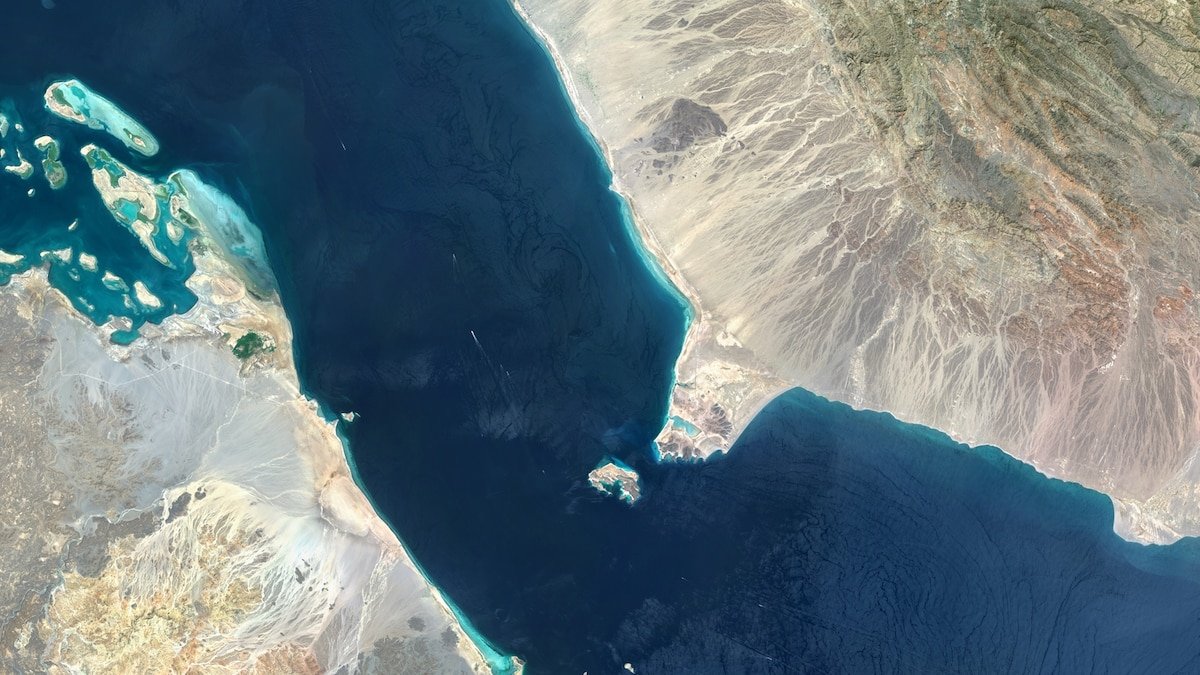
The Strait of Hormuz serves as a vital maritime passage connecting the Persian Gulf with the open waters of the Arabian Sea and Indian Ocean. A substantial share of global energy supplies transits this route, making its operational status relevant to energy security and international commerce. Any sustained change in traffic patterns can influence supply chains, freight costs, and broader economic stability across multiple regions. Markets and analysts monitor developments here because even temporary shifts can have ripple effects on related sectors such as refining, petrochemicals, and logistics.
Key Factors Traders Watch
- Geopolitical statements and diplomatic activity involving states bordering the waterway.
- Real-time vessel tracking data showing daily transits and average speeds.
- Insurance premium adjustments reported by maritime underwriters.
- Official notices from port authorities and coast guard entities regarding navigation rules.
- Presence or absence of military exercises that might temporarily alter routing.
- Trends in tanker chartering activity and reported delays at entry and exit points.
Participants combine these indicators to form expectations about the pace of recovery in traffic flows.
How Resolution Works
Resolution relies on objective data sources tracking vessel movements, such as automatic identification system records and aggregated shipping statistics. The market settles once sufficient evidence confirms whether traffic volumes have returned to the pre-disruption baseline by the specified date. If volumes meet the criteria, the market resolves to Yes; otherwise it resolves to No. This process emphasizes verifiable metrics over subjective assessments, allowing traders to focus on observable trends in maritime activity.