
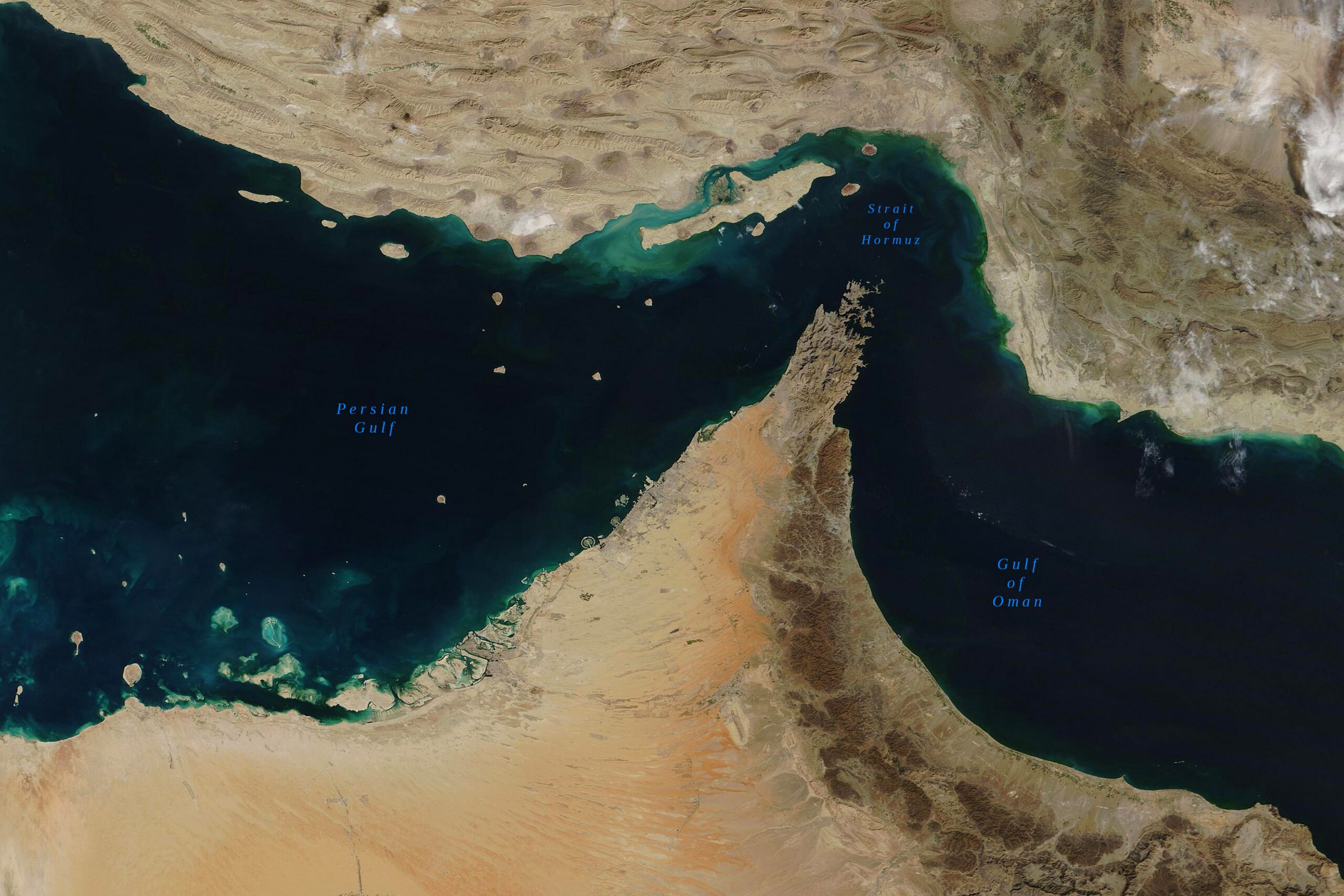
This market will resolve to “Yes” if IMF Portwatch publishes a 7-day moving average of transit calls (“Arrivals of Ships”) for the Strait of Hormuz equal to or above 60 for any date between market creation and April 30, 2026. Otherwise, this market will resolve to “No”.
Daily transit calls include container, dry bulk, roll-on/roll-off, general cargo, and tanker ships. Ships not reported by IMF Portwatch will not be considered.
This market will resolve as soon as IMF Portwatch publishes a 7-day moving average of transit calls equal to or above the specified level, or once data has been published for the final date in the specified period and no such value has been published. If no data has been published for the final date of the specified period within 14 calendar days (ET) after the end of that period, this market will resolve based on data published up to that point.
Revisions to previously published data points made within this market’s timeframe will be considered. However, they will not disqualify a previously published data point from qualifying. Revisions to previously published data points after data is published for April 30, 2026, however, will not be considered.
The resolution source for this market will be IMF Portwatch, specifically the transit calls data published for the Strait of Hormuz at https://portwatch.imf.org/pages/cb5856222a5b4105adc6ee7e880a1730, both in the chart and through downloadable files.
Geopolitics
· Oil
Strait of Hormuz traffic returns to normal by end of April? (Resolved)
Yes
$38M Volume
1%
Odds & FAQ
When does the Strait of Hormuz traffic returns to normal by end of April? (Resolved) market resolve?
This market is settled. The final outcome was confirmed and paid out under Polymarket's published resolution rules.
How much money is trading on Strait of Hormuz traffic returns to normal by end of April? (Resolved)?
Total turnover stands at $631.3K. Volume shows conviction: these odds are backed by actual positions, not polls.
Similar Markets
July 2099%YesNo
July 2296%YesNo

Mojtaba Khamenei73%YesNo
No Head of State8%YesNo
August 3156%YesNo
August 1436%YesNo

July 3199%
December 3199%

August 3135%YesNo
August 1529%YesNo
August 1515%YesNo
July 319%YesNo
August 3167%YesNo
August 1555%YesNo
























