This market will resolve to “Yes” if IMF Portwatch publishes a 7-day moving average of transit calls (“Arrivals of Ships”) for the Strait of Hormuz equal to or above 60 for any date between market creation and June 30, 2026. Otherwise, this market will resolve to “No”.
Daily transit calls include container, dry bulk, roll-on/roll-off, general cargo, and tanker ships. Ships not reported by IMF Portwatch will not be considered.
This market will resolve as soon as IMF Portwatch publishes a 7-day moving average of transit calls equal to or above the specified level, or once data has been published for the final date in the specified period and no such value has been published. If no data has been published for the final date of the specified period within 14 calendar days (ET) after the end of that period, this market will resolve based on data published up to that point.
Revisions to previously published data points made within this market’s timeframe will be considered. However, they will not disqualify a previously published data point from qualifying. Revisions to previously published data points after data is published for June 30, 2026, however, will not be considered.
In case of obvious data integrity issues (i.e., erroneous data), the market may remain open until the end of the third calendar day (ET) after the date on which such data is first released to allow for corrections. Data integrity issues refer only to clerical or other similar errors in the underlying data, and do not include cases where IMF Portwatch differs from alternative sources.
The resolution source for this market will be IMF Portwatch, specifically the transit calls data published for the Strait of Hormuz at https://portwatch.imf.org/pages/cb5856222a5b4105adc6ee7e880a1730, both in the chart and through downloadable files.
What the Prediction Market Asks
This market centers on a single yes-or-no question: will maritime traffic through the Strait of Hormuz return to normal levels by the end of June. Normal is defined by standard vessel counts, transit times, and cargo volumes observed during periods without acute regional disruptions. Traders buy shares priced between zero and one cent to express their view on whether conditions will stabilize within that timeframe.
Background and Strategic Importance
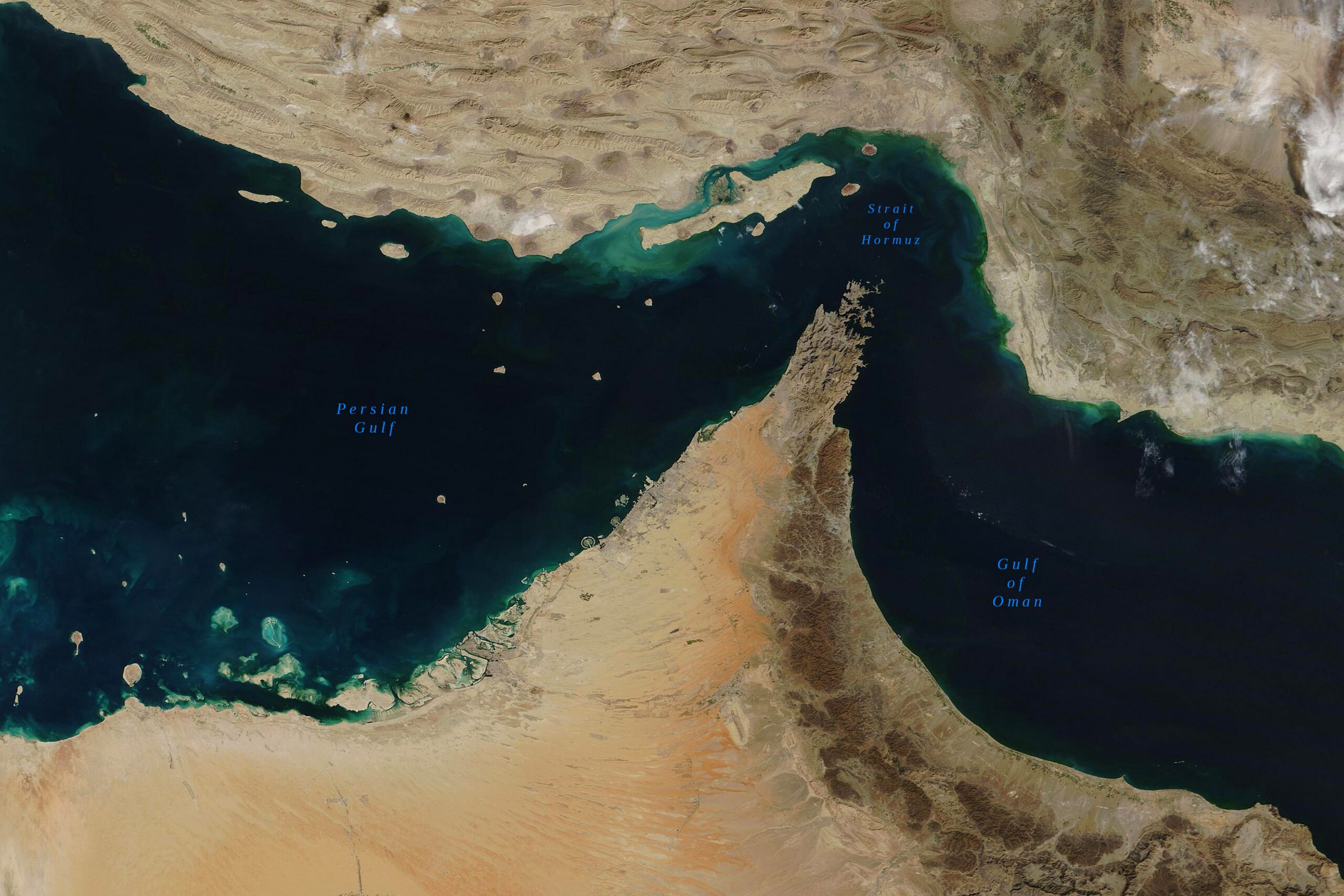
The Strait of Hormuz connects the Persian Gulf to the Gulf of Oman and serves as the primary maritime route for energy exports from several major producers. Roughly one-fifth of global oil consumption moves through these waters on any given day. Because the passage narrows to approximately 21 nautical miles at its tightest point, even modest interruptions can affect schedules for tankers, container ships, and liquefied natural gas carriers. Markets price risk quickly when signals suggest possible slowdowns, which is why prediction platforms create contracts tied to observable traffic metrics.
Key Factors Traders Watch
- Daily Automatic Identification System data showing the number of vessels completing transits compared with recent multi-year averages.
- Reported changes in shipping-lane advisories or temporary routing adjustments issued by flag states and classification societies.
- Trends in war-risk insurance premiums quoted by leading marine underwriters for passages through the strait.
- Public statements from port authorities in the region regarding berth availability and pilotage operations.
- Broader geopolitical developments that could influence naval presence or commercial routing decisions.
Traders combine these indicators to form a probabilistic view rather than relying on any single data point.
How Resolution Works
Resolution occurs after the end of June once independent traffic datasets become available. The market settles yes if aggregate vessel movements and average transit durations align with the established baseline range. It settles no if measurable deviations persist beyond that window. Polymarket uses multiple public maritime databases and may consult neutral third-party analysts to confirm the final outcome, ensuring the result rests on verifiable numbers rather than narrative interpretation.