This market will resolve to “Yes” if Iran initiates a major closure of its airspace, that is not solely due to weather conditions, between June 9, 2026, 3:00 PM ET and the listed date, 11:59 PM ET. Otherwise, this market will resolve to “No”.
A “major closure” is defined as a broad closure, cancellation, or suspension of commercial flights transiting, arriving in, and departing from Iranian airspace or a major Iranian Airspace region. A qualifying closure must apply generally to flights across Iran or a major Iranian airspace region. Limited cancellations, delays, or other partial closures will not qualify. Limited exceptions to a broad closure, however, will not disqualify such a closure from counting (e.g. exceptions for certain flights pre-approved by the Iranian Civil Aviation Authority may be permitted).
Any non-weather complete suspension of commercial arrivals and departures affecting at least two of the following airports will qualify: Imam Khomeini International Airport (IKA), Mehrabad Airport (THR), Mashhad International Airport (MHD), Shiraz International Airport (SYZ), or Isfahan International Airport (IFN).
Qualifying previous examples include the January 2026 total closure of Iranian airspace except to international flights with express governmental permission (https://www.reuters.com/world/middle-east/iran-shuts-airspace-most-flights-flightradar24-says-2026-01-14/) and the April 2024 closure of Iran’s western airspace (https://www.reuters.com/world/middle-east/iranian-airports-cancel-flights-until-monday-morning-2024-04-14/). Non-qualifying examples include the January 27, 2026 partial closure of Iranian airspace around the Strait of Hormuz (https://www.aa.com.tr/en/middle-east/iran-issues-airspace-notice-for-military-drills-near-strait-of-hormuz/3812508) and the January 25 - April 25, 2026 VFR (Visual Flight Rules) flights suspension which did not broadly close commercial aviation in a qualifying region (https://www.intellinews.com/iran-suspends-general-aviation-and-vfr-flights-in-new-airspace-directive-421997/).
Warnings, No-Fly-Zones, or other flight restrictions imposed by airlines or countries other than Iran will not be sufficient for a “Yes” resolution.
Airspace closures which occur solely due to weather conditions will not qualify.
The primary resolution sources for this market will be official information from Iranian aviation authorities and a consensus of credible reporting.
What the Market Asks
The Polymarket titled Iran closes its airspace by inquires whether Iranian authorities will implement a full or partial closure of national airspace by the contract expiration. Traders select yes or no outcomes based on their assessment of future events that could prompt such a measure. The market focuses on verifiable actions reported by official aviation bodies rather than rumors or unconfirmed statements.
Background and Significance
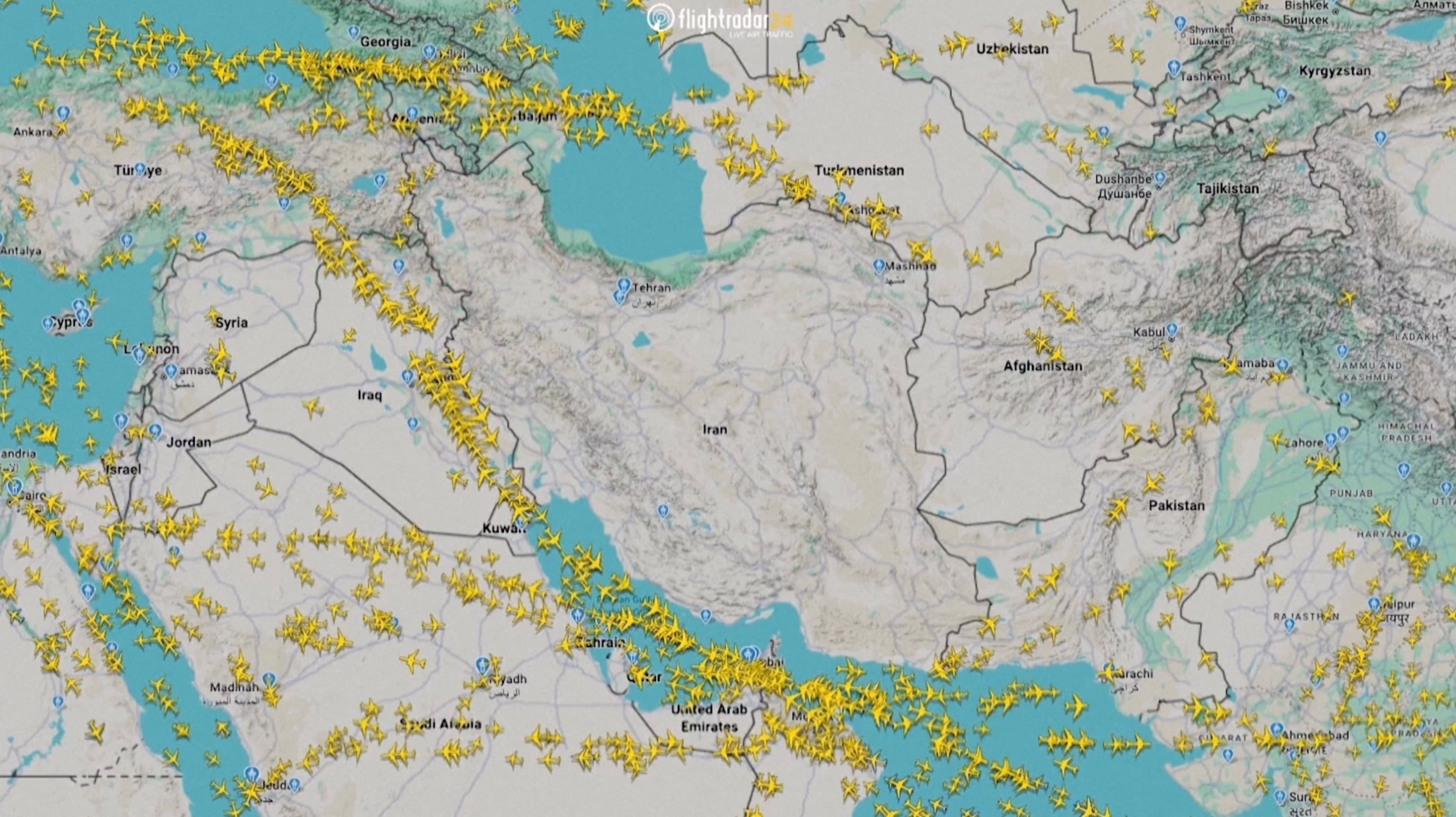
Iran controls a large portion of Middle Eastern airspace used by commercial carriers traveling between Europe, Asia and Africa. Any closure disrupts established flight corridors, forces rerouting over longer distances and raises operational costs for airlines. Such decisions often reflect broader security concerns involving regional stability, military activity or diplomatic standoffs. Observers track these developments because airspace status serves as a visible indicator of tension levels without requiring direct access to internal policy documents. The market therefore aggregates dispersed information into a single probability that reflects collective expectations about Iranian decision making.
Key Factors Traders Watch
Market participants monitor official communications from Iran’s civil aviation organization and statements issued by senior government figures. They also follow reports of military exercises, missile tests or naval movements that historically precede temporary flight restrictions. Diplomatic developments involving neighboring states and international organizations receive attention because negotiations can either reduce or heighten the likelihood of closure. Economic indicators such as oil export volumes and sanctions enforcement provide additional context, since financial pressures sometimes influence security policies. Weather events or technical infrastructure problems are noted but rarely drive sustained closures on their own.
How Resolution Works
Polymarket resolves the contract once credible primary sources confirm whether Iranian airspace was closed for commercial or general aviation traffic by the deadline. Acceptable sources include notices from the International Civil Aviation Organization, official NOTAMs and contemporaneous reporting by recognized aviation authorities. If multiple credible outlets document a closure meeting the market criteria, the yes outcome is selected. Conversely, absence of such documentation by the resolution date results in the no outcome. The process relies on publicly available records to maintain transparency and reduce disputes among participants.