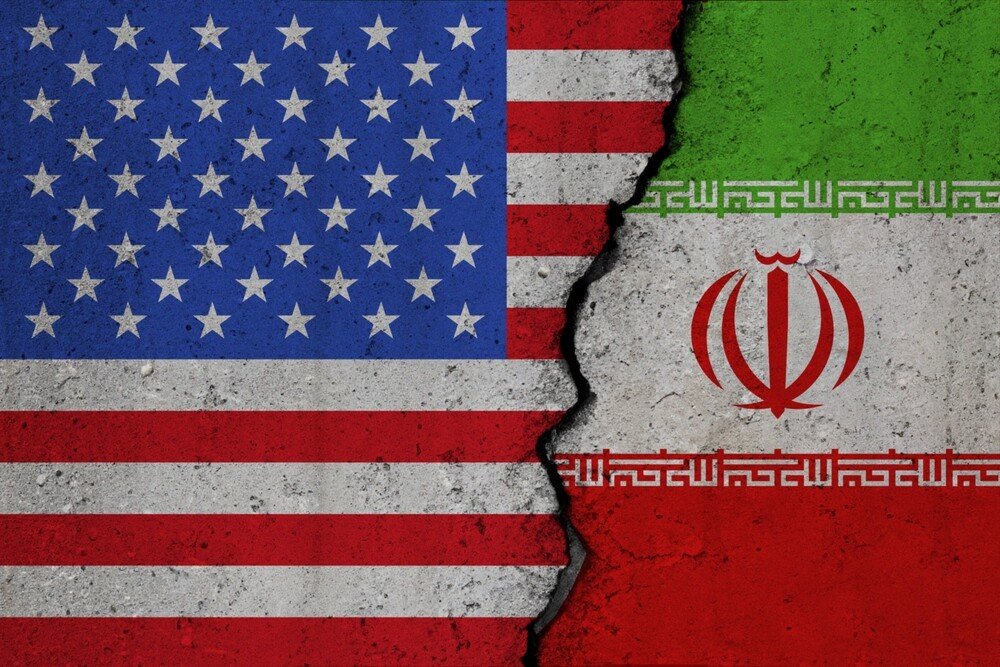
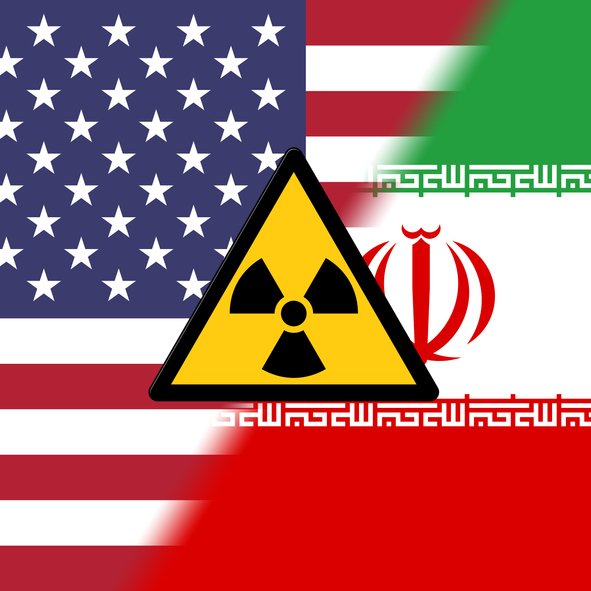
This market will resolve to "Yes" if an official agreement over Iranian nuclear research and/or nuclear weapon development, defined as a publicly announced mutual agreement, is reached between the United States and Iran by June 30, 2026, 11:59 PM ET. Otherwise, this market will resolve to “No”.
If such an agreement is officially reached before the resolution date, this market will resolve to "Yes", regardless of if/when the agreement goes into effect.
Agreements that include the United States and Iran as parties, even if they also involve other countries (e.g., a multilateral deal like the JCPOA), will qualify for resolution.
The primary resolution source for this market will be an official announcement by the United States and/or the Islamic Republic of Iran, however an overwhelming consensus of credible reporting confirming an agreement has been reached will also qualify.
The Polymarket titled US-Iran nuclear deal by June 30 centers on a clear yes-or-no question: will Washington and Tehran finalize a new or revived nuclear agreement before the end of June. Traders buy shares priced between one cent and 99 cents that pay one dollar if the stated outcome occurs. The market therefore converts collective forecasts into a live probability visible to anyone following developments between the two countries.
What the Market Asks
Participants assess whether any document signed by both governments meets the criteria of a nuclear deal. This includes limits on uranium enrichment, inspection regimes, sanctions relief, or related diplomatic instruments. The cutoff remains fixed at June 30 regardless of later events, so only signatures or formal announcements completed by that date count toward a positive resolution.
Background and Why It Matters
Relations between the United States and Iran have long revolved around Tehran’s nuclear program and Washington’s sanctions architecture. Past frameworks such as the Joint Comprehensive Plan of Action shaped regional security calculations, oil markets, and non-proliferation efforts. Renewed talks or an accord would influence energy prices, alliance dynamics in the Middle East, and the broader sanctions regime, giving the outcome relevance far beyond the two capitals.
Key Factors Traders Watch
- Statements from senior officials in both governments and any scheduled negotiation rounds.
- Positions taken by Congress and the Iranian parliament that could block or enable an agreement.
- Public comments from International Atomic Energy Agency inspectors regarding compliance and access.
- Regional reactions from Israel, Gulf states, and European partners that often shape diplomatic space.
- Macroeconomic signals such as oil-price movements that raise or lower the perceived urgency of reaching terms.
Traders weigh these elements continuously, adjusting share prices as new information arrives.
How Resolution Works
Polymarket settles the contract using official announcements, signed texts, or credible reporting from multiple independent outlets confirming that a nuclear-related accord has been reached by the deadline. If no such agreement materializes, the market resolves to no. The process relies on publicly verifiable evidence rather than private assessments, maintaining transparency for all participants.