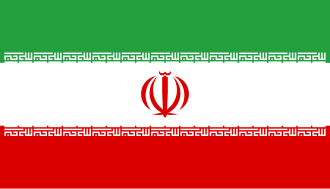
This market will resolve to "Yes" if the Islamic Republic of Iran’s current ruling regime is overthrown, collapsed, or otherwise ceases to govern by June 30, 2026, 11:59 PM ET. Otherwise, this market will resolve to “No”.
This requires a broad consensus of reporting indicating that core structures of the Islamic Republic (e.g. the office of the Supreme Leader, the Guardian Council, IRGC control under clerical authority) have been dissolved, incapacitated, or replaced by a fundamentally different governing system or otherwise lost de facto power over a majority of the population of Iran. This could occur via revolution, civil war, military coup, or voluntary abdication, but only qualifies if the Islamic Republic no longer exercises sovereign power.
Routine political events such as elections, reforms, or leadership succession do not qualify. Internal coups or power shifts that preserve the Islamic Republic’s core structures also do not qualify. Only a clear break in continuity—such as a new provisional government, revolutionary council, or constitution replacing the Islamic Republic will qualify.
Partial loss of territory or challenges from rebel or exile groups will not qualify unless the Islamic Republic no longer administers the majority of the Iranian population within Iran.
The resolution source will be a consensus of credible reporting.
What the Market Asks
This prediction market centers on a single yes-or-no question: will the current Iranian regime cease to hold power by June 30. The outcome turns on whether the existing structure of government, led by the Supreme Leader and associated institutions, experiences a fundamental collapse or replacement before that date.
Background and Significance
Iran maintains a theocratic political system established after the 1979 revolution. The regime combines elected bodies with unelected oversight by religious authorities. Markets of this type attract attention because regime stability in Iran influences regional security, energy markets, and international diplomacy. Traders follow the contract to gauge collective expectations about internal pressures without making forecasts themselves.
Key Factors Traders Watch
- Domestic protests and organized opposition movements that challenge central authority.
- Economic conditions including inflation, currency stability, and access to trade revenues.
- Interactions between the government and security forces such as the Revolutionary Guard.
- Statements from senior clerics or political figures that signal shifts in loyalty or policy direction.
- External sanctions and diplomatic developments that affect the regime's ability to govern.
These elements are monitored through open-source reporting and official announcements. No single indicator determines the outcome; traders weigh the cumulative effect on the continuity of power.
How Resolution Works
The market resolves according to publicly available evidence that the regime has fallen. Acceptable sources include major international news organizations and official government records. A change is recognized if the Supreme Leader is removed from office without succession under existing rules, or if the constitution is suspended and replaced by a different governing framework. Partial reforms or leadership transitions that preserve the core institutions do not trigger a yes resolution. The contract settles once sufficient documentation confirms the status by the specified date.