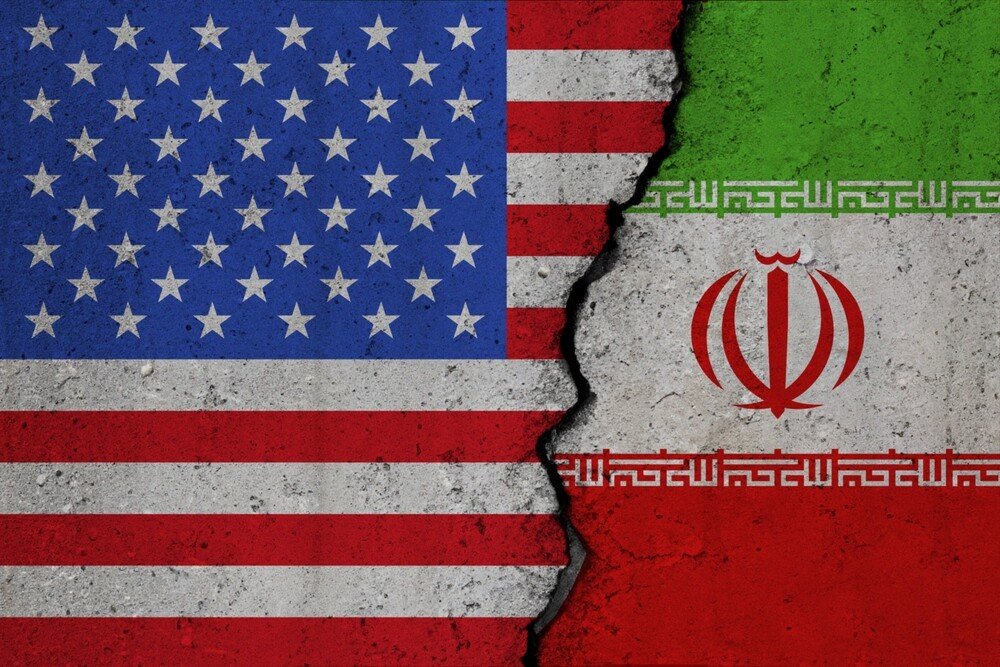
This market will resolve to "Yes" if there is a diplomatic meeting between representatives of the United States and Iran by the listed date, 11:59 PM ET. Otherwise, this market will resolve to “No”.
A diplomatic meeting refers to a deliberate meeting between representatives of the listed countries who are acting in an official capacity and are authorized to engage in negotiation or diplomacy regarding US-Iranian relations on behalf of their governments. Meetings conducted indirectly, for example, through designated mediators, facilitators, or interlocutors acting with the knowledge and authorization of the relevant governments, will qualify.
Brief greetings, chance encounters, or talks otherwise not deliberately aimed at diplomacy or negotiation will not count.
The meeting must be in-person and must be publicly acknowledged by either government or reported by a consensus of credible media. Remote meetings, phone calls, or other meetings where the relevant parties are not present will not count.
The resolution sources for this market will be official information from the governments of the United States and Iran, and a consensus of credible reporting.
What the Market Asks
This prediction market centers on whether senior United States and Iranian officials will hold an in-person or virtual diplomatic meeting before the contract deadline. The question is narrowly defined around a bilateral encounter that involves recognized government representatives discussing official matters.
Background and Regional Importance
Relations between Washington and Tehran have remained strained for decades due to disagreements over nuclear activities, regional influence, and economic sanctions. Any high-level contact tends to attract attention from governments, energy markets, and security analysts because even limited dialogue can influence sanctions policy and proxy dynamics across the Middle East. Observers view such meetings as potential signals of shifting postures rather than guarantees of broader agreements.
Key Factors Traders Monitor
- Public statements from the White House, State Department, and Iranian Foreign Ministry regarding willingness to engage.
- Reports from international bodies such as the International Atomic Energy Agency on Iranian nuclear compliance.
- Developments in ongoing multilateral talks involving European powers or Gulf states that could create side channels.
- Changes in United States sanctions designations or Iranian responses that might open or close diplomatic space.
- Regional events including conflicts involving Iranian-aligned groups that could either accelerate or derail contact.
Traders also weigh domestic political calendars in both countries, as election cycles or leadership transitions often affect the timing and visibility of any outreach.
How Resolution Works
The market resolves to yes if credible, publicly available evidence confirms that authorized representatives from both sides participated in a diplomatic meeting by the cutoff date. Acceptable evidence includes joint announcements, official readouts, or reporting from established news organizations with direct sourcing. Informal or unofficial encounters, such as brief hallway conversations at multilateral forums without prior arrangement, do not qualify. If no qualifying meeting occurs, the contract resolves to no. Polymarket moderators rely on primary sources and avoid speculation when determining the outcome.