Polymarket Bot Tutorial · Chapter 28 of 32
Pop culture and entertainment market bots on Polymarket: Oscars, Grammys, Met Gala, Taylor Swift tour metrics, box office, Netflix/Disney releases - data sources and edge identification.
What this chapter covers
Awards, music charts, box office, celebrity events - pop culture markets are a quieter Polymarket segment with niche but tradeable edges. This chapter is for builders who already have domain expertise in one of these areas; pure-quant approaches usually lose here.
- Pop culture market types
- Awards: Oscars/Grammys/Emmys
- Music: tour metrics, Billboard charts
- Box office and streaming
- Celebrity prediction markets
- Data sources: IMDB, Billboard, Box Office Mojo
- Edge: domain expertise > pure quant
Pop culture market types
Pop culture on Polymarket spans several distinct sub-categories:
- Awards (Oscars, Grammys, Emmys, Tony Awards) - annual cycle, peak volume in the weeks before.
- Music charts (Billboard #1, album sales, tour grosses).
- Box office (opening weekend, total domestic, IMAX share).
- Streaming (Spotify monthly listeners, Netflix top-10 placement).
- Celebrity events (engagement announcements, public appearances, scandals).
Each sub-category has its own data sources and rhythms. A pop-culture bot is usually specialized in one or two; trying to cover everything diffuses focus and loses to the specialist.
Awards: Oscars/Grammys/Emmys
Awards markets follow a predictable cycle: nomination announcement → media handicapping → guild awards (precursors) → ceremony. Price discovery happens primarily in the precursor weeks.
Edge sources: Goldderby's expert aggregate, /r/Oscars community sentiment, prediction-market history (the same handicappers tend to be right or wrong every year). A bot that ingests these and trades the spread against current Polymarket price has a measurable edge.
Volume on Best Picture in Oscar week: $1-3M typically. Smaller categories are 10x less. Position-size for the small categories at $25-50 to avoid moving the book; Best Picture markets can absorb $200-500 without slippage.
Music: tour metrics, Billboard charts
Billboard Hot 100 #1 markets, tour gross prediction markets, album-of-the-year forecasts. Data: Billboard.com public charts, Pollstar tour data, Spotify Wrapped-equivalent third-party services.
Edge: the market often prices on artist "momentum" while the actual chart math is dominated by streaming-week timing and label push. A bot that reads streaming velocity directly (Spotify API for monthly listeners trend) catches this 1-2 days before the market reprices.
Niche category; volumes are modest. Useful as one component of a pop-culture portfolio, not as a stand-alone strategy.
Box office and streaming
Opening-weekend box office markets resolve on Mojo/Variety reports Sunday night. The edge: theater pre-sales data (Fandango, ATOM) leak the expected gross 24-48 hours before release. A bot reading these compared to Polymarket's implied prediction has an edge until the market absorbs the pre-sales data.
The window: enter Wednesday or Thursday before release, exit Sunday morning before final numbers. Holding through the actual weekend adds variance with little reward - the market converges fast.
Streaming markets (Netflix top-10, Spotify charts) have longer horizons and softer data. The streaming services release headline numbers weekly; the inter-week noise is mostly speculation.
Celebrity prediction markets
Celebrity engagement, marriage, divorce, public appearance markets. These have the lowest data quality and highest noise of any pop-culture sub-category. Most trades are entertainment, not signal.
Edge profile: if you actually follow tabloid press obsessively, you may have an edge. For most builders, this is not bot territory - the data sources (TMZ, DeuxMoi, Daily Mail) are not reliable enough to systematize.
Honest: most celebrity markets are sized small enough that the strategy doesn't matter; the slippage on a $20 position is the strategy. Skip unless you genuinely enjoy the content.
Data sources: IMDB, Billboard, Box Office Mojo
The data stack for a pop-culture bot.
- IMDB: movie metadata, casting, release dates. Free, scrapeable, occasionally rate-limited.
- Billboard.com: music charts published weekly. Free, structured well enough for parsing.
- Box Office Mojo: opening-weekend and total domestic numbers. Free, updated through Sunday night.
- Spotify API: per-artist monthly listeners. Free for low-volume queries with an app key.
- Goldderby: awards-prediction aggregator. Mix of free + paid; the consensus pick is published free.
- Fandango / ATOM: theater pre-sales for opening weekends. Free public-facing data.
None require paid API access for retail-scale usage. The bot's data layer is essentially a series of scheduled scrapers writing to a shared cache.
Edge: domain expertise > pure quant
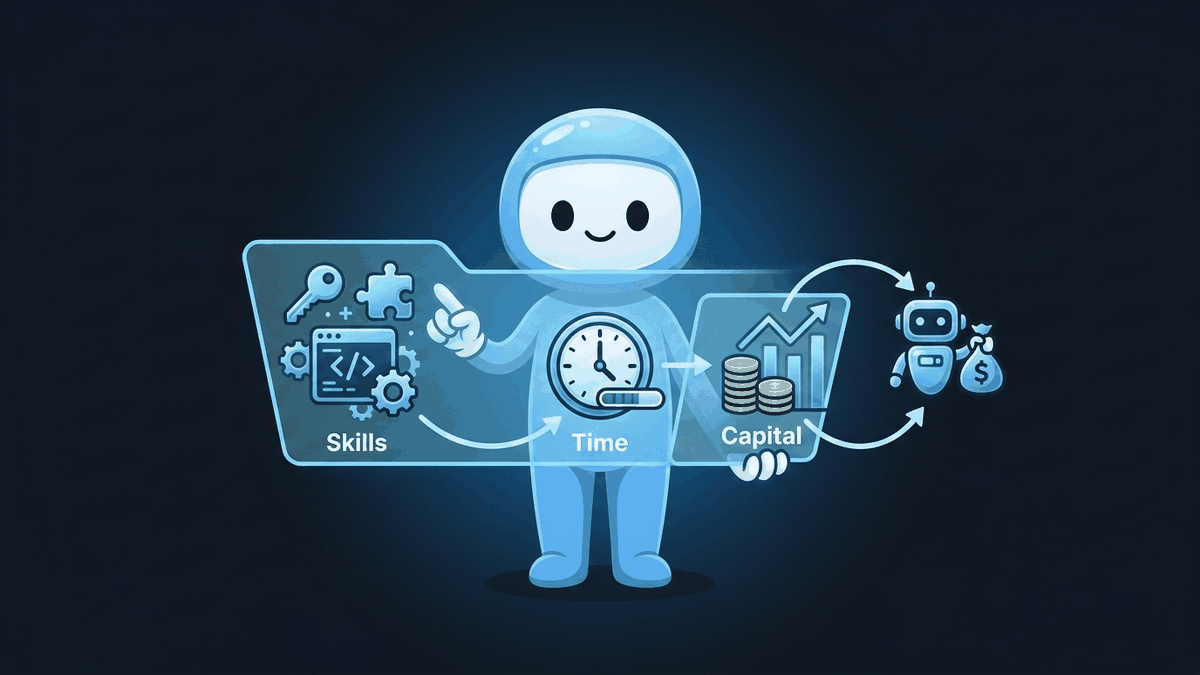
The pop-culture category is the only Polymarket segment where pure quant approaches consistently lose to domain experts. The reason: the data is sparser and noisier than for sports or politics, so a model fit to thin historical data overfits.
Builders who win in pop culture combine quant skills with genuine domain interest - they know which streaming charts the Grammy voters actually look at, which box-office tracker the studios trust, which tabloid outlets have actual sources.
If you're not already a pop-culture expert in some narrow area, this is the wrong segment to start. Pivot to a category (sports, politics, weather) where the data is cleaner and the edge is more systematizable.