Il mercato di previsione "Accordo di pace permanente USA-Iran entro...?" verte sulla possibilità che Stati Uniti e Iran raggiungano un'intesa formale e duratura per porre fine alle ostilità entro il 31 maggio 2026, alle 23:59 ET. Ciò richiederebbe un trattato organico che affronti le questioni nucleari, le sanzioni, l'influenza regionale e le minacce militari, e si risolve su "Sì" solo se tale accordo viene annunciato pubblicamente e verificato dalle principali fonti internazionali. Al 26 aprile 2026 i rapporti restano tesi dopo una breve guerra all'inizio dell'anno: dai primi giorni di aprile è in vigore un fragile cessate il fuoco di due settimane, ma i colloqui diplomatici in corso in Pakistan hanno mostrato progressi altalenanti, tra diffidenza reciproca e pressioni esterne da parte di alleati come Israele.
Sviluppi recenti
- 7 aprile 2026: Stati Uniti e Iran hanno concordato un cessate il fuoco di due settimane mediato dal Pakistan, sospendendo le operazioni militari e ponendo le basi per i negoziati a Islamabad.[1]
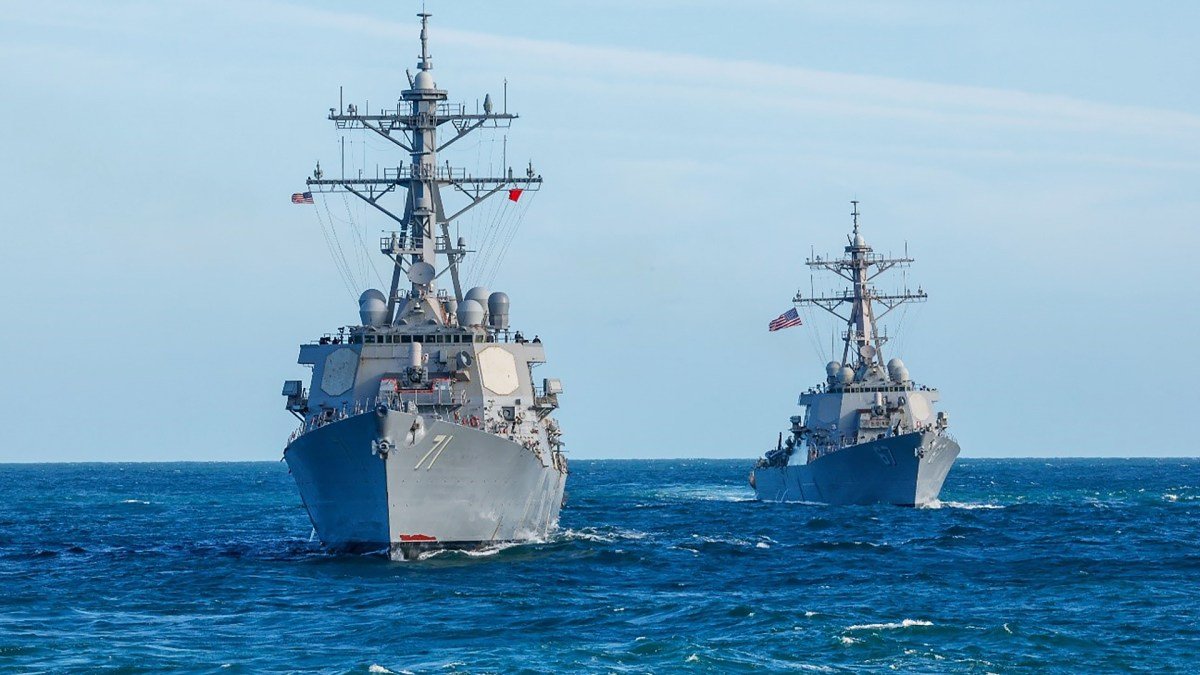
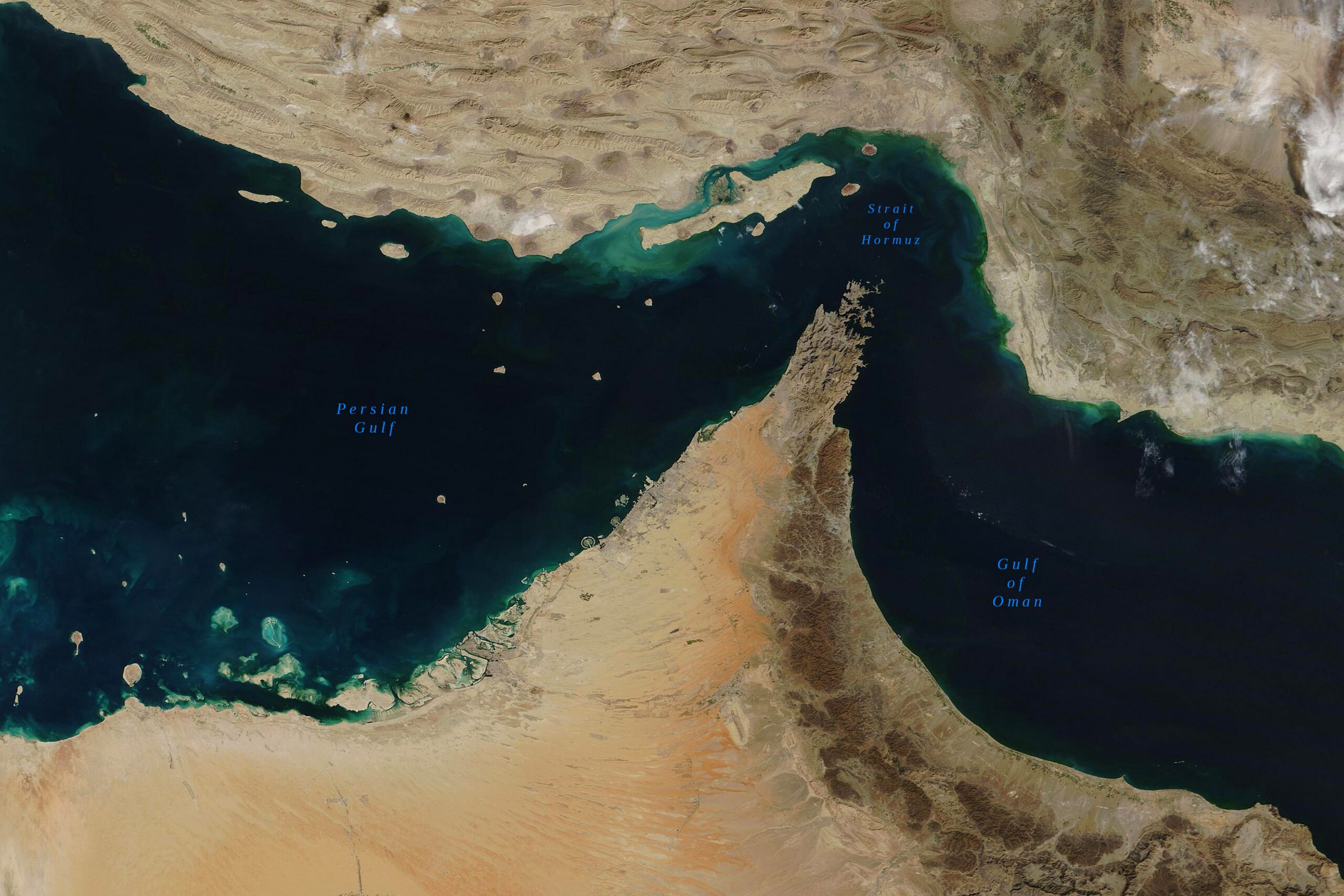
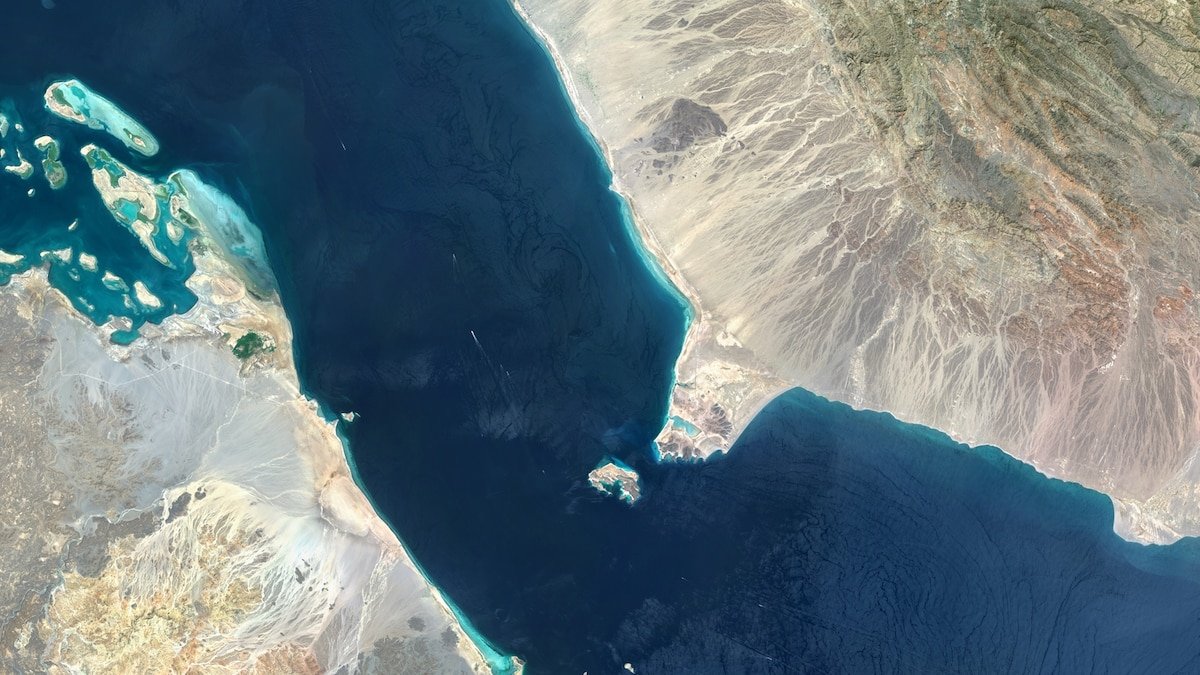
- 13 aprile 2026: la Marina statunitense ha imposto un blocco navale su porti e zone costiere iraniane nello Stretto di Hormuz, applicando restrizioni alle esportazioni di petrolio nonostante il cessate il fuoco.[2]
- 14 aprile 2026: i diplomatici hanno predisposto un possibile secondo round di colloqui USA-Iran, con il presidente Trump che ipotizzava una ripresa dei negoziati entro due giorni, incentrati sui limiti al nucleare.[3]
- 17 aprile 2026: gli analisti hanno osservato che il cessate il fuoco, unito a una tregua separata negli scontri tra Israele e Libano, potrebbe agevolare colloqui più ampi tra USA e Iran, sebbene i rischi di escalation permangano.[4]
- 18 aprile 2026: i funzionari iraniani hanno respinto le nuove proposte statunitensi sull'allentamento delle sanzioni, segnalando un irrigidimento della posizione mentre Teheran valuta le controproposte sotto la pressione economica del blocco.[5]
- 25 aprile 2026: la delegazione iraniana ha lasciato Islamabad prima dell'arrivo previsto degli inviati statunitensi, gettando dubbi sui colloqui immediati, mentre Washington ha ribadito la volontà di proseguire il dialogo.[6]
Cronologia principale
- 28 febbraio 2026: le forze statunitensi e israeliane hanno lanciato circa 900 attacchi aerei contro obiettivi militari iraniani, tra cui siti missilistici e difese aeree, segnando l'inizio del conflitto aperto.[7]
- 1 marzo 2026: il presidente Trump ha imposto all'Iran un ultimatum di 60 giorni per negoziare un accordo sul nucleare, dopo il quale le operazioni militari si sono intensificate, dando luogo a oltre 40 giorni di ostilità.[8]
- 7 aprile 2026: è stato annunciato un cessate il fuoco, che ha sospeso gli attacchi statunitensi e le risposte iraniane, con i primi colloqui avviati in Pakistan sotto mediazione neutrale.[9]
- 10 aprile 2026: Trump ha ribadito una linea ferma contro lo sviluppo di armi nucleari da parte dell'Iran, mentre i funzionari statunitensi valutavano i danni inflitti dal conflitto alle capacità iraniane.[10]
- 13 aprile 2026: gli Stati Uniti hanno imposto un blocco nello Stretto di Hormuz, riducendo di circa il 70 per cento le spedizioni di petrolio iraniano e spingendo Teheran ad adottare contromisure economiche.[2]
- 7 maggio 2026: il cessate il fuoco iniziale di due settimane è destinato a scadere, con la possibilità di innescare nuove operazioni militari o mosse diplomatiche se non verrà prorogato.[11]
- 31 maggio 2026: data di risoluzione del mercato, che richiede un accordo di pace permanente verificabile entro questa scadenza per un esito "Sì".
Cosa monitorare
Tra i segnali chiave figurano i progressi nei colloqui mediati dal Pakistan, in particolare sul programma nucleare iraniano e sull'allentamento delle sanzioni statunitensi, oltre a eventuali proroghe del cessate il fuoco nel contesto del blocco di Hormuz. Possibili fattori di svolta potrebbero includere il coinvolgimento di terze parti come la Cina o l'ONU, oppure escalation legate alle operazioni israeliane nella regione, capaci di far deragliare i progressi. I criteri di risoluzione richiedono l'annuncio di un trattato chiaro e vincolante da fonti ufficiali, escludendo tregue temporanee o intese informali.
Perché questo mercato è importante
Un accordo di pace permanente tra Stati Uniti e Iran potrebbe stabilizzare il Medio Oriente, riducendo i conflitti per procura in Yemen, Siria e Libano e attenuando le interruzioni della fornitura globale di petrolio dallo Stretto di Hormuz. Inciderebbe inoltre sui regimi sanzionatori internazionali e sugli sforzi di non proliferazione nucleare, influenzando le alleanze con gli Stati del Golfo e l'Europa. Al di là della geopolitica, un'intesa del genere potrebbe alleggerire la pressione sulla spesa per la difesa nel bilancio statunitense e contribuire a una più ampia ripresa economica nella regione.