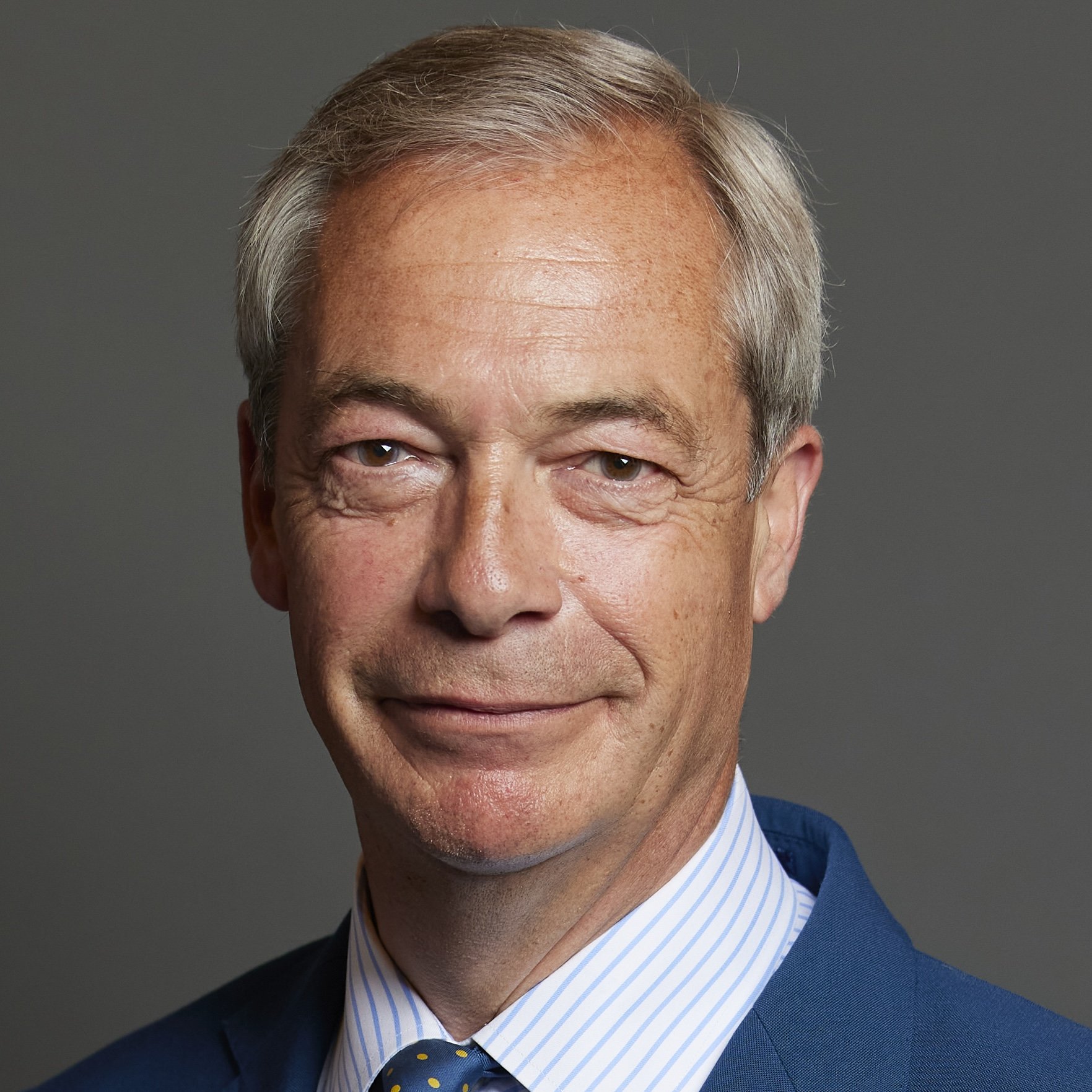
Ang susunod na halalan sa pangulo ng Pransya ay inaasahang gaganapin sa paligid ng Abril 2027. Ang pamilihan na ito ay nauugnay sa kinalabasan ng susunod na halalan sa pangulo ng Pransya, anuman kung ito ay sumusunod sa nakatakdang pagtatapos ng kasalukuyang termino o gaganapin nang mas maaga.
Ang susunod na halalan sa pangulo ng Pransya ay inaasahang gaganapin sa paligid ng Abril 2027. Ang pamilihan na ito ay nauugnay sa kinalabasan ng susunod na halalan sa pangulo ng Pransya, anuman kung ito ay sumusunod sa nakatakdang pagtatapos ng kasalukuyang termino o gaganapin nang mas maaga. Ang Pangulo ng Pransya ay nahalal sa pamamagitan ng isang sistema ng dalawang round; ang isang kandidato ay dapat makakuha ng higit sa 50% ng boto upang manalo nang direkta sa unang round. Kung walang kandidato ang nakakamit nito, ang nangungunang dalawang kalahok ay umuusad sa isang runoff. Ang pamilihan na ito ay magpapasya sa kinalabasan.
What the Market Asks
This prediction market focuses on identifying the individual who will win the next French presidential election. Participants trade shares tied to specific candidates or outcomes, with prices reflecting the collective probability assigned to each possibility. The market remains open until the election concludes and an official result is confirmed.
Background and Significance
The French presidency carries substantial executive authority, shaping domestic policy and international relations. As a leading member of the European Union, France influences decisions on trade, security, and regulatory frameworks that extend across the continent. Shifts in leadership can alter alliances, fiscal approaches, and responses to global challenges. Observers monitor these contests because outcomes affect both French citizens and broader European stability. The election process involves two rounds when no candidate secures an outright majority in the first, narrowing the field to the top contenders for the decisive vote.
Key Factors Traders Watch
Market participants track several indicators to adjust positions. Polling data provides snapshots of public sentiment, though results can fluctuate with campaign developments. Economic conditions, including employment levels, inflation trends, and growth figures, often sway voter priorities. Political alliances and party dynamics matter, as coalitions can consolidate support or fragment the electorate. International events, such as geopolitical tensions or trade negotiations, may also influence perceptions of candidates. Traders evaluate candidate platforms on issues like energy policy, immigration, and social reforms to anticipate shifts in odds.
- Polling trends and survey methodologies
- Macroeconomic indicators and public sentiment
- Party endorsements and coalition formations
- Media coverage and debate performances
How Resolution Works
Resolution occurs once French authorities declare an official winner following the final round of voting. The market relies on verified government announcements and established news sources for confirmation. In cases of disputes or recounts, resolution waits until a clear outcome is certified. Shares corresponding to the winning candidate pay out at full value, while others expire worthless. This structure ensures the market reflects the actual electoral result rather than preliminary projections.