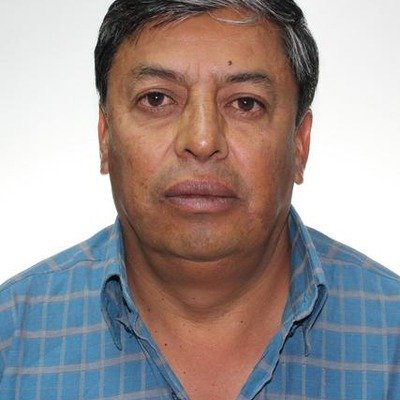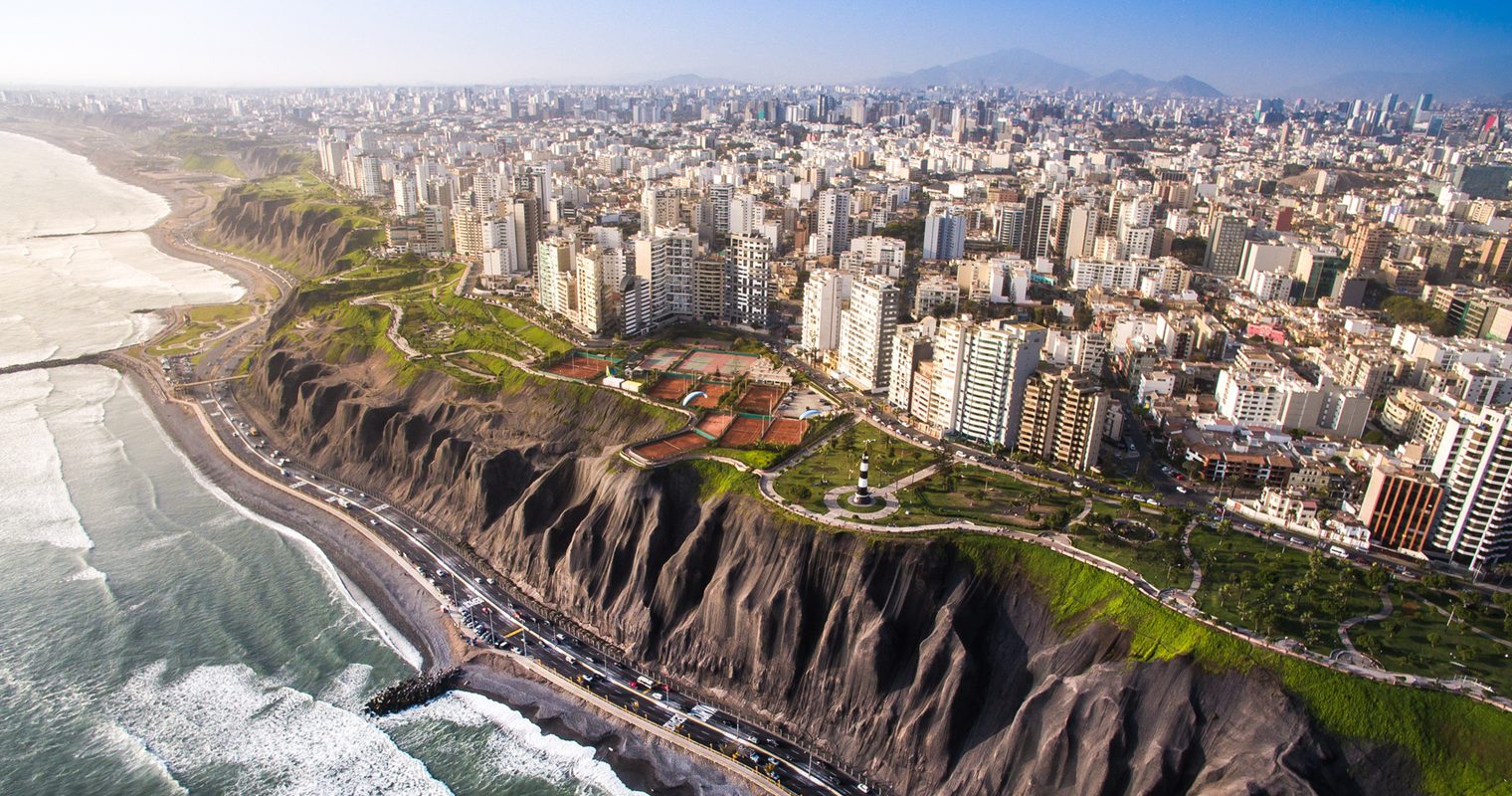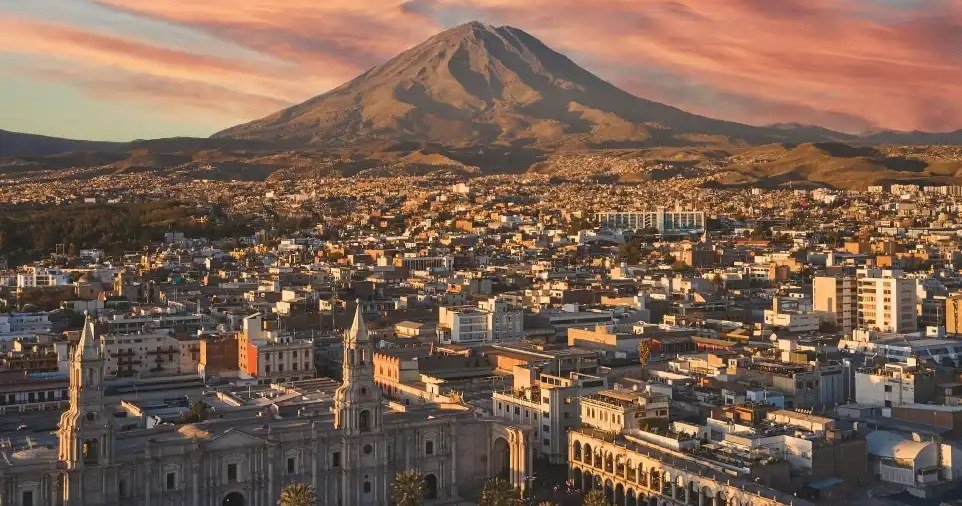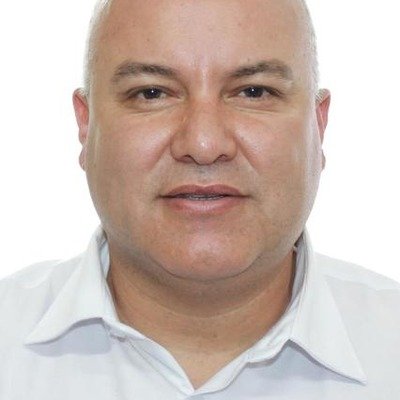
De voorspellingsmarkt over de winnaar van de Peruaanse presidentsverkiezingen wordt afgewikkeld op de kandidaat die de overwinning behaalt bij de algemene verkiezingen van het land, met de beslissende tweede ronde gepland voor 7 juni 2026. De eerste ronde in Peru op 12 april 2026 telde een recordaantal van 35 kandidaten, tegen een achtergrond van brede kiezersmoeheid na een decennium van politieke onrust. Er kwam geen directe winnaar uit de bus: de conservatieve Keiko Fujimori, met 16,99 procent van de stemmen, en het linkse Congreslid Roberto Sánchez, met 12,05 procent, gingen door naar de tweede ronde.[1] Op 26 april 2026 blijft de race spannend: de gevestigde achterban van Fujimori staat tegenover de groeiende aantrekkingskracht van Sánchez onder jongere en linksgezinde kiezers.
Recente ontwikkelingen
- 25 maart 2026: uit een landelijke peiling bleek dat de rechtse kandidaten Keiko Fujimori en Rafael López Aliaga aan de leiding gingen in het veld van presidentskandidaten, elk met ongeveer 14 procent steun in de kiezersvoorkeuren.[2]
- 10 april 2026: geactualiseerde peilingen lieten zien dat Fujimori een kleine voorsprong van ongeveer 12 procent behield, terwijl het land zich voorbereidde op de eerste stemronde met een ongekend aantal gegadigden.[3]
- 12 april 2026: de algemene verkiezingen gingen in heel Peru van start en brachten miljoenen kiezers naar de stembus, ondanks logistieke problemen zoals vertragingen bij de bezorging van stembiljetten in afgelegen gebieden.[4]
- 13 april 2026: de autoriteiten verlengden het stemmen met een tweede dag vanwege distributieproblemen die tienduizenden stembiljetten troffen, wat de onzekerheid over de eerste tellingen verlengde.[5]
- 15 april 2026: de Nationale Verkiezingsjury publiceerde voorlopige resultaten die de tweede ronde tussen Fujimori en Sánchez bevestigden, met nummer drie López Aliaga op 11,89 procent.[1]
- 17 april 2026: de stemmentelling was voor ruim 93 procent afgerond, waarmee de affiche van de tweede ronde werd bevestigd en beide kandidaten hun campagne voor de tweede ronde begonnen.[6]
Belangrijkste tijdlijn
- 10 januari 2026: officiële start van de campagneperiode voor de Peruaanse algemene verkiezingen van 2026, waarmee kandidaten hun publieke campagne mochten beginnen.
- 1 maart 2026: de Nationale Verkiezingsjury keurt de definitieve lijst van 35 presidentskandidaten goed, met prominente figuren uit uiteenlopende politieke stromingen.
- 25 maart 2026: een peiling voorafgaand aan de verkiezingen onderstreept de koppositie van Keiko Fujimori en Rafael López Aliaga in een versnipperd veld.[2]
- 12-13 april 2026: de eerste stemronde vindt landelijk plaats en wordt verlengd vanwege logistieke problemen met stembiljetten in meerdere regio's.
- 15 april 2026: de verkiezingsautoriteiten maken de uitslag van de eerste ronde bekend en plannen de presidentiële tweede ronde voor 7 juni.[1]
- 7 juni 2026: de tweede ronde tussen de twee best geplaatste kandidaten bepaalt de volgende president van Peru.
- 28 juni 2026: het Congres roept de officiële winnaar uit, waarmee het verkiezingsproces wordt afgesloten en de bijbehorende voorspellingsmarkten worden afgewikkeld.
Waar te letten
Waarnemers doen er goed aan de veranderende opiniepeilingen voor de tweede ronde te volgen, met name verschuivingen in de steun van uitgeschakelde kandidaten zoals Rafael López Aliaga, wiens aanbevelingen twijfelende kiezers kunnen beïnvloeden. Mogelijke katalysatoren zijn de televisiedebatten die voor mei 2026 gepland staan en economische indicatoren, zoals de inflatie of ontwikkelingen in de mijnbouwsector, die het publieke beeld van de programma's van de kandidaten kleuren. De markt wordt afgewikkeld op basis van de kandidaat die de meerderheid van de geldige stemmen behaalt in de tweede ronde van 7 juni, zoals gecertificeerd door de Nationale Verkiezingsjury van Peru, in lijn met de officiële uitslag.
Waarom deze markt ertoe doet
Peru heeft in het afgelopen decennium acht presidenten gekend, wat een chronische instabiliteit voedt die de economische groei en het bestuur belemmert. De uitslag van de verkiezingen bepaalt het beleid op cruciale thema's zoals de winning van grondstoffen in een van de mijnbouw afhankelijke economie en de aanpak van corruptie. Gezien de rol van Peru als een van de grootste koperleveranciers ter wereld kan de koers van de nieuwe regering gevolgen hebben voor de internationale handelsverhoudingen en de regionale stabiliteit in Zuid-Amerika.