
पॉलीमार्केट पर पैसे कमाने के असली तरीके हैं, और उन्हें गँवाने के भी बहुत से तरीके। यह हर ईमानदार दृष्टिकोण का स्पष्ट नक्शा है, अपनी रखी हुई राय पर सीधे दांव लगाने से लेकर तरलता देने पर भुगतान पाने तक, हर एक के लिए ठोस उदाहरण और कहाँ से शुरू करें के सुझाव के साथ। कोई बढ़ा-चढ़ाव नहीं, कोई गुप्त प्रणाली नहीं।
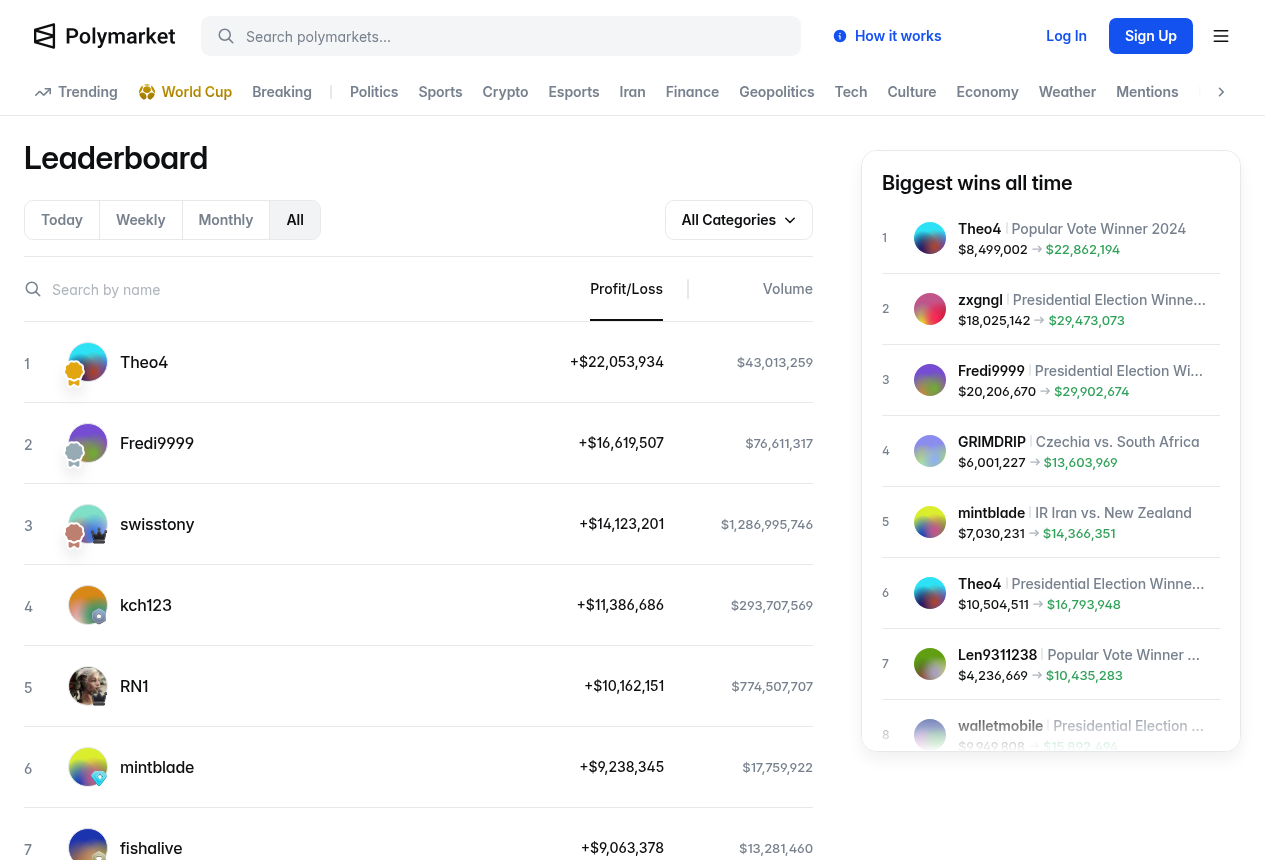
सार्वजनिक लीडरबोर्ड: विजेता असली हैं - और यह दिखाता है कि शिखर तक कितने कम पहुँचते हैं।
पहले, ईमानदार सच
चलिए वहाँ से शुरू करें जहाँ से लगभग कोई गाइड शुरू नहीं करती। 2026 में 25 लाख पॉलीमार्केट वॉलेट के एक ऑन-चेन अध्ययन में पाया गया कि 84% घाटे में थे और केवल लगभग 8% स्पष्ट रूप से मुनाफ़े में (बाकी ज़्यादातर ब्रेक-ईवन के पास), और केवल लगभग 2% ने 1,000 डॉलर पार किए। यह दूर रहने का कारण नहीं; यह सोच-समझकर चलने का कारण है। जो अच्छा करते हैं वे लगभग कभी हर चीज़ पर थोड़ा-थोड़ा दांव नहीं लगाते। वे एक दोहराने योग्य बढ़त चुनते हैं और उस पर काम करते हैं।
इसलिए नीचे के विकल्प पढ़ते समय सब करने की कोशिश न करें। वह खोजें जो आपके ज्ञान और समय से मेल खाए, और उसमें गहरे उतरें। यह ईमानदारी से जाँचने के लिए कि क्या ट्रेडिंग आपके लिए है भी, पहले क्या आपको पॉलीमार्केट बॉट बनाना चाहिए? और हमारी जोखिम गाइड पढ़ें।
तरीका 1: अपनी रखी हुई राय पर दांव लगाएँ
कमाने का सबसे सरल तरीका सबसे मूल है: आप सोचते हैं कि भीड़ ने किसी परिणाम की क़ीमत ग़लत लगाई, और आप वह पक्ष ख़रीदते हैं जिस पर आप विश्वास करते हैं। यदि एक शेयर 30 सेंट का है, तो बाज़ार सोचता है 30% संभावना है। यदि आपके पास यह सोचने का अच्छा कारण है कि असल में 50% है, तो वह शेयर सस्ता है, और यदि आप सही हैं तो यह एक डॉलर पर निपटता है।
उदाहरण। महापौर की एक प्राइमरी में, एक मज़बूत उम्मीदवार 0.62 डॉलर पर ट्रेड हो रही है। आपने दौड़ देखी, ताज़ा सर्वे उसके पक्ष में झुके, और आपको लगता है 0.62 बहुत कम है। आप 62 डॉलर में 100 शेयर ख़रीदते हैं। यदि वह जीतती है तो उनका मूल्य 100 डॉलर: 38 डॉलर मुनाफ़ा। यदि हारती है तो आप 62 गँवाते हैं। सारी कुशलता उन बिंदुओं को खोजने में है जहाँ आपका आकलन भीड़ से सचमुच बेहतर हो, ऐसे विषय में जिसे आप सचमुच फ़ॉलो करते हैं।
यहाँ से अपने पहले ट्रेड और बुनियादी ट्रेडिंग रणनीतियों से शुरू करें, और क़ीमतें कैसे निपटती हैं यह बाज़ार कैसे हल होते हैं में सीखें।
तरीका 2: तरलता देने पर भुगतान पाएँ (तीन रिवॉर्ड कार्यक्रम)
पॉलीमार्केट पर कमाने के लिए आपको कुछ भविष्यवाणी करने की ज़रूरत नहीं। प्लेटफ़ॉर्म तीन अलग कार्यक्रमों के ज़रिये मार्केट मेकर और धारकों को भुगतान करता है: यहाँ निष्क्रिय आय के सबसे क़रीब यही है। इन्हें घालमेल करना आसान है, तो यह स्पष्ट संस्करण है।
| कार्यक्रम | आपको किसके लिए भुगतान | अनुमानित राशि | किसके लिए उपयुक्त |
|---|---|---|---|
| तरलता रिवॉर्ड | मध्यबिंदु के पास टिकी लिमिट ऑर्डर, भरें या नहीं | दैनिक पूल में आपका हिस्सा | धैर्यवान, निष्क्रिय मेकर |
| मेकर रिबेट | आपके टिके ऑर्डर का भरना | टेकर शुल्क का ~20-25% | सक्रिय मार्केट मेकर |
| होल्डिंग रिवॉर्ड | केवल किसी पात्र स्थिति को रखना | सालाना ~4% | ख़रीदो और रखो, दीर्घकालिक बाज़ार |
उदाहरण। तीनों में सबसे नरम होल्डिंग रिवॉर्ड है। चूँकि 'हाँ' और 'नहीं' शेयर हमेशा मिलकर एक डॉलर होते हैं, आप 2028 चुनाव के एक ही उम्मीदवार के दोनों पक्ष कुल लगभग एक डॉलर में ख़रीद सकते हैं (पूरी तरह हेज, कोई भी जीते फ़र्क़ नहीं) और केवल उन्हें रखकर सालाना लगभग 4% कमा सकते हैं। यह बचत खाता नहीं (दर बदल सकती है और आपका पैसा लॉक है), पर यह विचार दिखाता है: यहाँ आप एक भी भविष्यवाणी किए बिना कमा सकते हैं।
किसी ख़ास बाज़ार के लिए टिके ऑर्डर का पक्ष अनुमानित करने के लिए हमारा तरलता रिवॉर्ड कैलकुलेटर इस्तेमाल करें।
तरीका 3: बाज़ार बनाएँ और स्प्रेड पकड़ें
एक पायदान अधिक मेहनत: रिवॉर्ड के लिए सिर्फ़ एक ऑर्डर छोड़ने के बजाय, आप बाज़ार के दोनों पक्षों का भाव देते हैं (मध्य से नीचे ख़रीद क़ीमत और ऊपर बिक्री क़ीमत) और जब भी दोनों भरें, उनके बीच का अंतर कमाते हैं। आप परिणाम पर दांव नहीं लगाते; आप तरलता किराए पर देते हैं और शुल्क लेते हैं, ऊपर के रिवॉर्ड और रिबेट के अलावा।
उदाहरण। एक बाज़ार 0.46 मध्यबिंदु पर है। आप 0.45 पर ख़रीद और 0.47 पर बिक्री रखते हैं। कोई आपकी ख़रीद पर बेचता है, दूसरा आपकी बिक्री से ख़रीदता है, और आप आने-जाने में 2 सेंट जेब में डालते हैं, बार-बार। जाल इन्वेंट्री है: यदि एक पक्ष रखते हुए क़ीमत दौड़े, तो वह चाल कई 2-सेंट के मुनाफ़े मिटा सकती है, इसीलिए मार्केट मेकर जोखिम सीमाओं के दीवाने होते हैं। पूरी पुस्तिका मार्केट मेकिंग बॉट गाइड में है।
तरीका 4: आर्बिट्राज, निश्चित लाभ लॉक करें
कभी क़ीमतें ख़ुद असंगत होती हैं, और जो भी हो आप लाभ लॉक कर सकते हैं। सबसे साफ़ मामला: एक ही बाज़ार में, 'हाँ' और 'नहीं' को मिलकर ठीक एक डॉलर होना चाहिए। जब पल भर के लिए वे मिलकर एक डॉलर से कम हों, आप दोनों पक्ष ख़रीदकर अंतर रख सकते हैं।
उदाहरण। एक बाज़ार का 'हाँ' 0.55 डॉलर और 'नहीं' 0.43 पर ट्रेड हो रहा है: मिलकर केवल 0.98। आप हर एक का एक 98 सेंट में ख़रीदते हैं, और निपटान पर ठीक एक डॉलर देता है और दूसरा शून्य, तो आपकी जोड़ी 1.00 डॉलर की है कोई भी जीते। आपने 2 सेंट लॉक किए, बिना जोखिम, शुल्क से पहले। यही विचार पॉलीमार्केट के NegRisk तंत्र के ज़रिये बहु-परिणाम बाज़ारों तक फैलता है, जहाँ सभी परिणामों को मिलकर एक डॉलर होना चाहिए। ये अंतर छोटे हैं और सेकंडों में ग़ायब हो जाते हैं, तो यह गति और अनुशासन का खेल है: सांख्यिकीय आर्बिट्राज और बहु-परिणाम NegRisk ट्रेडिंग देखें।
तरीका 5: समाचार ट्रेड करें, और डोमिनो हेज करें
यहाँ दिलचस्प होता है, और यह उसके लिए सबसे ऊँची छत वाला दृष्टिकोण है जो दुनिया को क़रीब से देखता है। एक घटना लगभग कभी सिर्फ़ एक बाज़ार नहीं हिलाती: यह एक शृंखला छेड़ती है। आपका काम उस शृंखला के बारे में एक थीसिस बनाना, वह कड़ी लेना जिस पर आप सबसे अधिक आश्वस्त हैं, और उन हिस्सों को हेज करना है जिन पर आप आश्वस्त नहीं।
उदाहरण। मान लें आप सोचते हैं कि अमेरिका या इज़रायल के ईरान पर हमले की संभावना कम आँकी गई है। यह एक ट्रेड नहीं: यह एक डोमिनो शृंखला है। यदि यह हो, तो आप तेल और सोना ऊपर (आपूर्ति झटका, सुरक्षित-पनाह माँग) और बिटकॉइन व शेयरों जैसी जोखिम संपत्तियाँ अल्पावधि में नीचे जाने की उम्मीद करेंगे। तो आप उस वृद्धि बाज़ार में 'हाँ' ख़रीद सकते हैं जहाँ आपका आकलन सबसे मज़बूत है, और एक सहसंबद्ध बाज़ार को हेज के रूप में इस्तेमाल करें: यदि आप कहीं और भी जोखिम स्थिति रखते हैं, तो वृद्धि से लाभ पाने वाली स्थिति, यदि यह हो, तो आघात को नरम करती है। कुशलता शृंखला को ईमानदारी से मानचित्रित करना है: ये सहसंबंध असली हैं पर शोरगुल वाले, और जो स्पष्ट है वह अक्सर पहले ही क़ीमत में है।
हम इसे भू-राजनीतिक ट्रेडिंग और घटना-चालित ट्रेडिंग में गहराई से देखते हैं। स्वर्णिम नियम: किसी डोमिनो ट्रेड का आकार कभी ऐसे तय न करें मानो शृंखला निश्चित हो, क्योंकि यह लगभग कभी नहीं होती।
तरीका 6: स्मार्ट मनी का अनुसरण करें
यदि आपके पास अभी अपनी बढ़त नहीं, तो आप उन ट्रेडरों का अध्ययन कर सकते हैं जिनके पास स्पष्ट रूप से है। पॉलीमार्केट पर हर स्थिति ऑन-चेन है, तो आप देख सकते हैं कौन-से वॉलेट लगातार जीतते हैं और क्या ख़रीदते हैं, फिर तय करें कि अनुसरण करें या नहीं। यह मुफ़्त पास नहीं (व्हेल का ट्रेड एक हेज हो सकता है जो आपको नहीं दिखता, और आँख मूँदकर नक़ल करना किसी और की ग़लती विरासत में लेने का तरीक़ा है), पर यह सीखने और विचार खोजने का असली तरीक़ा है। व्हेल ट्रैकिंग देखें।
तो आपको कहाँ से शुरू करना चाहिए?
वह पंक्ति चुनें जो आप जैसी लगे।
- नए और सतर्क? पहले कागज़ पर एक विचार आज़माएँ, फिर किसी ऐसे विषय पर छोटी स्थिति रखें जिसे आप फ़ॉलो करते हैं। लगभग निष्क्रिय, हेज किए लाभ के लिए होल्डिंग रिवॉर्ड जोड़ें। शुरुआत से आरंभ करें।
- भविष्यवाणी से ज़्यादा निष्क्रिय पसंद? सीधे तरलता रिवॉर्ड और होल्डिंग रिवॉर्ड पर जाएँ, और पूँजी लगाने से पहले कैलकुलेटर इस्तेमाल करें।
- तकनीकी और बनाना चाहते हैं? मार्केट मेकिंग और आर्बिट्राज दोहराने योग्य, कोड-अनुकूल बढ़तें हैं। बॉट ट्यूटोरियल से शुरू करें।
- समाचार और मैक्रो के दीवाने? समाचार थीसिस और भू-राजनीति का रास्ता उसे पुरस्कृत करता है जो सचमुच दुनिया को फ़ॉलो करता है। भू-राजनीतिक ट्रेडिंग से शुरू करें।
जाने से पहले जोखिम पर एक शब्द
यहाँ हर रास्ता पैसा गँवा सकता है, और तेज़, रोमांचक बाज़ार ठीक वही जगह हैं जहाँ नए ट्रेडर सबसे तेज़ गँवाते हैं, उन बॉट्स के विरुद्ध जो मिलीसेकंड में प्रतिक्रिया देते हैं। सीखते समय छोटा आकार इस्तेमाल करें, असली पैसा जोखिम में डालने से पहले कागज़ पर विचार आज़माएँ, और उन 84% को याद रखें जो घाटे पर समाप्त होते हैं: ज़्यादातर बदक़िस्मत नहीं थे, बस उनके पास बढ़त नहीं थी और फिर भी ट्रेड किया। सुनिश्चित करें कि आपके पास एक है, और आप पहले ही बहुमत से आगे हैं। आधिकारिक कार्यक्रम विवरण के लिए, आप पॉलीमार्केट का रिवॉर्ड पृष्ठ और दस्तावेज़ देख सकते हैं।